Loading guide…
The greenest disposable diapers, ranked from our data on plant-based materials, eco-friendly builds, and biodegradability.
Wanting to do right by your baby and the planet in the same small daily act is a lovely instinct. It's also a confusing one. The diaper aisle is a wall of leafy green packaging and soft words like "natural," "pure," and "earth-friendly," and from the outside it's genuinely hard to tell what's a real difference and what's just a nice picture of a fern. So let's clear some of that away.
Here's the honest part, up front. Truly biodegradable disposable diapers are rare. Most eco-minded diapers will not break down in a landfill the way the packaging might lead you to hope. What you can realistically choose is a diaper made with more plant-based or renewable materials, processed without chlorine bleach, and free of fragrance and parabens. That is a genuine, worthwhile step, and it's the bar we used to build this list. A guide that promised more would be doing you a disservice.
If you just want one answer, reach for Pampers Pure Protection. It's a mainstream brand's greener line, which means plant-based materials and a clean ingredient list without having to hunt anything down online, and it carries the highest rating here. If your real goal is a diaper that actually breaks down, only one pick on this list, DYPER Simply Kind, is biodegradable, and we'll be honest about what that does and doesn't mean.
There's no perfect diaper, and choosing a greener one is a thoughtful call, not a test you can fail.
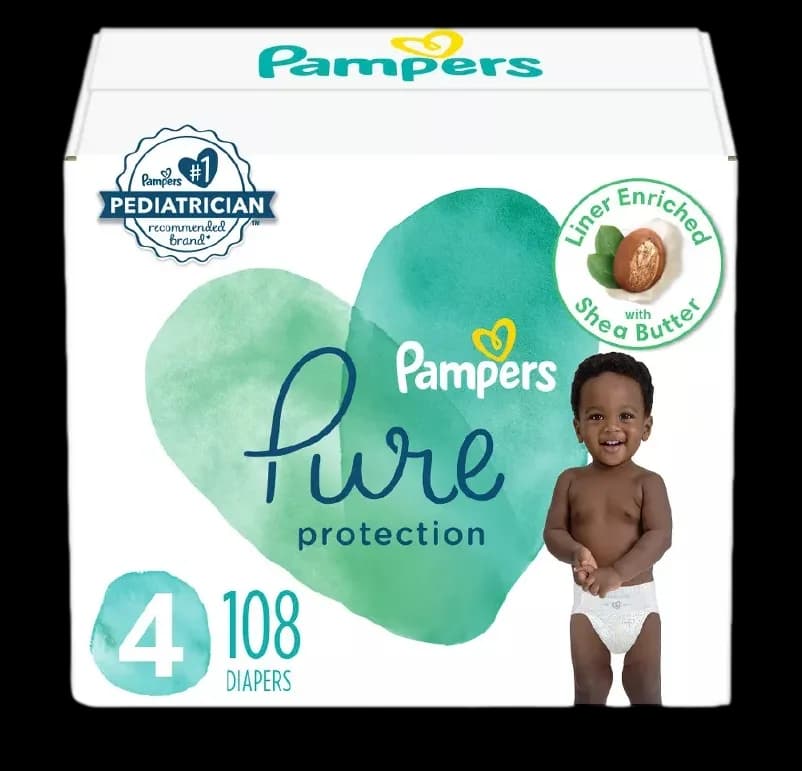
Premium cotton-based diapers offering dryness with absorbent shea butter, hypoallergenic and chlorine-free.
Not sure where to start? Tap what matters most to you and we'll point you to the pick that fits.
Start here if you're not sure where to start. Pure Protection is the diaper we'd hand most new parents who want to go greener without making it a whole project. Pampers says it's made with plant-based materials, and around that it stacks up the cleanest everyday checklist in this guide: fragrance-free, hypoallergenic, paraben-free, and chlorine-free, with a breathable feel, blowout guards, a wetness indicator, and solid absorbency. It also covers a wide size range, from newborn through size 7. What earns it the top spot is that it's a genuinely eco-minded option from a brand you can grab on any grocery run, with the highest rating on this list. The honest trade-off: it is not biodegradable, and "plant-based" here means some of the materials rather than the whole diaper. Think of it as a meaningfully cleaner build you can keep buying without a hunt.
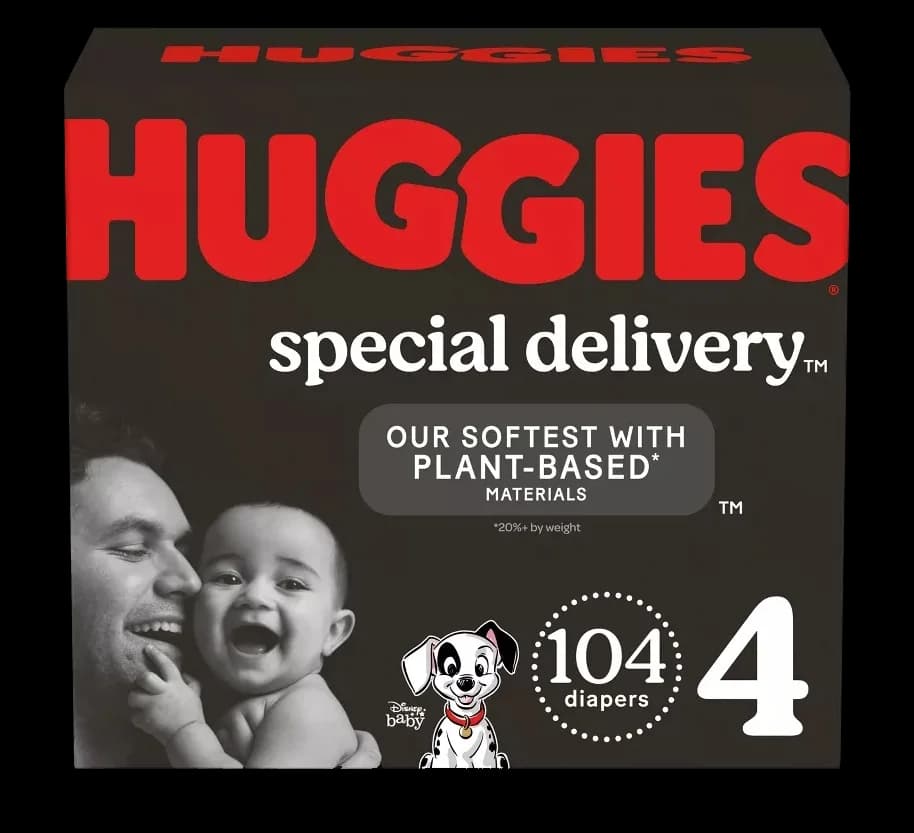
Special Delivery is Huggies' line built specifically around plant-based materials, so if you want a familiar brand that's leaning into this on purpose rather than as a side note, this is it. It carries the gentle basics you'd want, fragrance-free, hypoallergenic, paraben-free, and chlorine-free, plus blowout guards, a wetness indicator, and a breathable build. It costs a little more per change than our top pick. Sizing runs from newborn up to size 6, so a bigger toddler may outgrow it before potty training, something to keep in mind if you're buying ahead. Like the others here, it's a cleaner-materials choice rather than a biodegradable one. For a recognizable brand putting plant-based front and center, it's an easy recommendation.
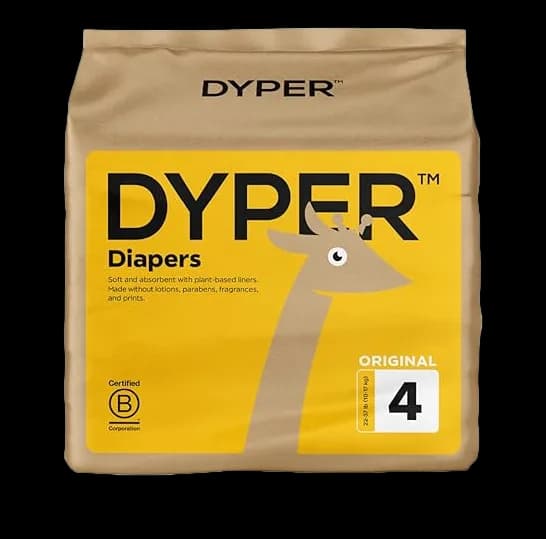
This is the one pick here that actually answers the question most people are really asking, which is whether a diaper can break down instead of sitting in a landfill. DYPER's Simply Kind is built around bamboo, a fast-growing plant spun into a soft viscose fabric, and it's the only diaper on this list listed as biodegradable. It's also plant-based, hypoallergenic, fragrance-free, chlorine-free, and paraben-free, with the breathability, absorbency, blowout guards, and wetness indicator you'd want from any everyday diaper. The brand sells it mainly by subscription rather than off a shelf, and it offers a compost-by-mail program, which matters, because "biodegradable" really only delivers in the right conditions, not buried in a regular landfill where almost nothing breaks down. It runs a bit pricier per change, and sizing covers newborn through 6. If lowest-waste is your north star, this is the pick.
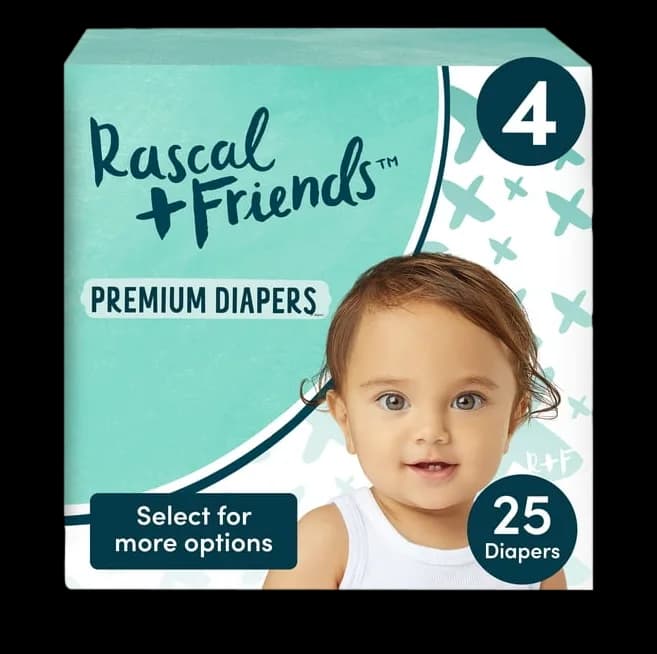
Going greener doesn't have to cost more. At about thirty-two cents a change, Rascal + Friends is the most affordable eco pick here, and it doesn't feel like a compromise: plant-based, eco-friendly, hypoallergenic, fragrance-free, chlorine-free, and paraben-free, with a breathable build, blowout guards, and good absorbency. The one catch is sizing. It starts at size 1, so there's no newborn option for those first tiny weeks, and you'd want a different diaper to bridge the early days. Past the newborn stage, it's a lot of clean, plant-based diaper for the money, which adds up fast when you're changing eight or ten a day.
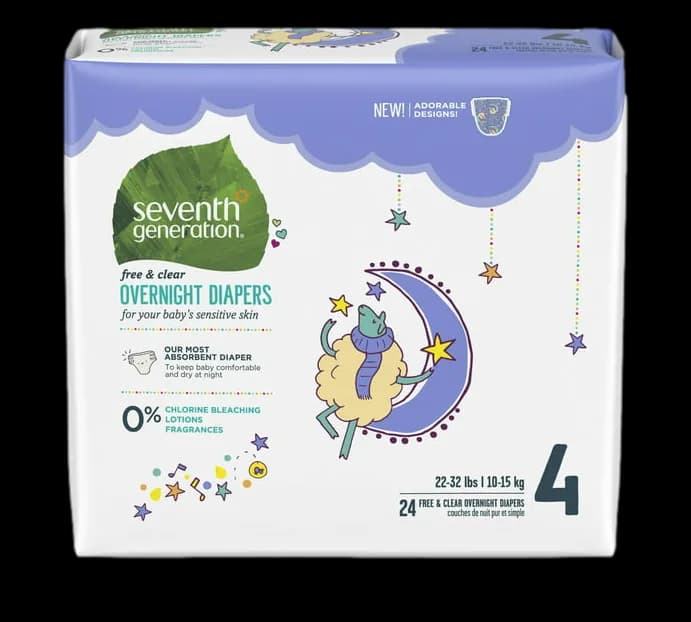
Nights are their own challenge, and this is the eco pick built for the long stretch of sleep. Seventh Generation's overnight diaper uses a wood-pulp absorbent core, which is a renewable material, and it's processed chlorine-free with no fragrance or parabens, plus it's listed as absorbent for those many-hour overnight gaps between changes. Two honest notes. It's the priciest pick here at around ninety-five cents a change, so most families use overnights only for sleep rather than all day. And it comes in sizes 4 through 6, so it's aimed at older babies and toddlers, not the newborn and early-infant months. If your eco goal includes the hardest diaper of the day, the one before bedtime, this is the one to try.
The most freeing thing you can do is get clear on what you're really buying. With disposables, "eco-friendly" and "plant-based" almost always describe the materials and how they're processed, plant-derived fibers, renewable wood pulp, chlorine-free bleaching, no fragrance or parabens, rather than a diaper that disappears after use. Once you accept that the choice is about a cleaner build, not a vanishing one, picking gets a lot calmer.
A few things to weigh for your situation:
This deserves a straight answer rather than a comforting one, because the honest picture is more useful than the marketing. The short version: most eco diapers are a real but partial improvement, not a clean conscience in a box.
Start with the biggest myth to let go of. Almost no disposable diaper, eco-labeled or not, is curbside-compostable, and very little breaks down in a regular landfill, where the lack of oxygen stalls decomposition for decades. So when a package says "plant-based," read it as "some components come from plants" rather than "this whole thing will return to the earth." That's true of nearly every diaper on this list. The one exception here is DYPER Simply Kind, which is listed as biodegradable and offers compost-by-mail, and even that depends on actually using the program rather than tossing it in the trash.
So where's the genuine benefit? It's in the materials and processing. Chlorine-free bleaching avoids a harsher industrial process. Renewable inputs like bamboo and wood pulp come from fast-regrowing sources rather than petroleum. Skipping fragrance and parabens makes for a simpler product. None of that is nothing. It's a meaningfully cleaner footprint per diaper, even if it isn't zero.
If your real priority is the lowest possible waste, cloth diapering is the most effective route, because you reuse rather than throw away. It's also a different kind of commitment: laundry, upfront cost, and a learning curve, and its footprint depends on how you wash and dry. Plenty of families land on a mix, cloth at home and eco disposables for travel and daycare. There's no wrong answer here, only the one that fits your life.
Some components of the diaper are made from plant-derived materials, like bamboo or other plant fibers, instead of being entirely petroleum-based. It almost never means the whole diaper is made of plants, so treat it as a partial, cleaner-materials claim.
The materials can break down through natural processes, but only in the right conditions. In a typical landfill there's little oxygen, so even biodegradable diapers can persist for a long time. On this list, only DYPER Simply Kind is listed as biodegradable.
Goes a step beyond biodegradable: the diaper can break down into compost, but usually only through a dedicated facility or a take-back program, not your backyard bin or curbside trash. Very few disposables qualify, which is why programs like compost-by-mail exist.
The absorbent material was whitened without elemental chlorine bleach. TCF means "totally chlorine-free." It's a gentler processing choice and a common, genuine point of difference among eco diapers.
A third party has verified some environmental or sourcing claim, such as responsibly managed wood pulp. The strength depends entirely on which certification it is, so it's worth a quick look rather than taking the leaf logo at face value.
| Spec | PampersPure Protection | HuggiesSpecial Delivery | Millie MoonLuxury Diapers | Bambo NatureDream Diapers |
|---|---|---|---|---|
| Price / diaper | $0.47 | $0.54 | $0.32 | $0.49 |
| Rating | 4.8 | 4.7 | 4.4 | 4.3 |
| Type | Everyday | Everyday | Everyday | Everyday |
| Material | — | plant based | wood pulp | — |
| Blowout guards | Yes | Yes | Yes | Yes |
| Wetness indicator | Yes | Yes | Yes | Yes |
| Hypoallergenic | Yes | Yes | Yes | Yes |
| Fragrance-free | Yes | Yes | Yes | Yes |
| Eco-friendly | Yes | Yes | Yes | Yes |
Only one. DYPER Simply Kind is the single biodegradable pick on this list. The others, including Pampers Pure Protection, Huggies Special Delivery, Rascal + Friends, and Seventh Generation Overnight, are eco-minded in their materials and processing, but they are not listed as biodegradable. If breaking down is your top priority, DYPER is the one to look at, and it offers compost-by-mail to help that actually happen.
It means some parts of the diaper come from plant-derived materials rather than being entirely petroleum-based. That might be the soft top layer, the outer film, or additives in the absorbent core. It usually does not mean the whole diaper is made of plants. Read it as a cleaner set of materials, not a fully compostable product.
Almost certainly not. Landfills lack the oxygen needed for things to decompose, so even biodegradable diapers can sit for a very long time when they're simply thrown away. That's why DYPER offers a compost-by-mail program: biodegradability only delivers in the right conditions, not in a standard bin.
Rascal + Friends is the most affordable eco pick here at about thirty-two cents a change, and it's still plant-based, chlorine-free, fragrance-free, paraben-free, and hypoallergenic. The one thing to note is that it starts at size 1, so it doesn't cover the newborn weeks.
Some do. Pampers Pure Protection and DYPER Simply Kind both cover the newborn stage. Rascal + Friends starts at size 1, and Seventh Generation Overnight runs from size 4 to 6, so neither of those is a newborn option. Always check the size range before buying for those first weeks.
Yes. Seventh Generation Overnight is our eco pick for sleep. It uses a renewable wood-pulp core, is chlorine-free, fragrance-free, and paraben-free, and is listed as absorbent for long overnight stretches. It comes in sizes 4 to 6 and is the priciest pick here at about ninety-five cents a change, so most families use it for nights only.
Nothing in the data here suggests they do. The picks in this guide are listed as absorbent, most include blowout guards, and they carry strong overall ratings. Choosing plant-based or chlorine-free materials doesn't mean giving up on keeping your baby dry.
For lowest waste, yes, cloth is the most effective route because you reuse instead of throwing away. It's a bigger commitment, though: laundry, upfront cost, and a learning curve, and its footprint depends on how you wash and dry. Many families do a mix, using cloth at home and eco disposables for travel or daycare. There's no wrong choice, just the one that fits your life.
If you want a greener diaper without overthinking it, Pampers Pure Protection is where we'd start: plant-based materials, a clean ingredient list, a wide size range, and you can buy it anywhere. The honest trade-off is that it isn't biodegradable, and on this list only DYPER Simply Kind is. Whatever you choose, you're picking cleaner materials and gentler processing for your baby, and that's a thoughtful thing to do. Eco diapering isn't all-or-nothing, and a partial step done consistently beats a perfect plan you can't keep.
Still weighing it up? Browse all our diaper guides and diaper reviews whenever you're ready.